Will the new supply of property in Dubai affect prices in 2026?
The Dubai property market is approaching a crucial stage. Following several years of active launches, an increasing number of projects are nearing handover. Between 2025 and 2027, the city is set to experience one of the largest handover cycles in recent years, and many buyers are asking a logical question: could such a volume of new supply affect prices in 2026?
The answer is not so simple. In Dubai, an increase in supply does not automatically mean a fall in prices. It all depends on the area, the type of property, demand, investor behaviour, and what proportion of the new properties will actually enter the resale market.
How many new properties are expected on the market
According to market estimates, over 44,000 properties were handed over in Dubai in 2025. In 2026, approximately 42,000–45,000 properties are expected to be handed over, and in 2027 the volume could be even higher. It is important to bear in mind, however, that not all projects are handed over exactly on schedule: some handover dates may be delayed due to construction, documentation or other processes.
This means that new supply does not flood the market all at once. It is spread out over time, which means the impact on prices will be gradual and will vary across different areas.
Where will there be the most new supply?
The bulk of new developments is concentrated in areas where apartment projects and new residential clusters are being actively built. These locations include Dubai South, MBR City, JVC, Dubailand, Business Bay, as well as new villa phases in Dubailand and Al Furjan.
Each area will react in its own way. For example, in locations with a large number of similar apartment projects, buyers may have more choice and, consequently, greater scope for negotiation. In areas with limited villa supply, however, the situation will remain more stable.
Why prices won’t necessarily fall
At first glance, it seems logical: if more property comes onto the market, prices should fall. But the Dubai market is more complex.
Firstly, the city’s population continues to grow. More residents, new jobs, families and long-term residents mean that demand for housing remains stable. Even with a large number of new handover properties, the market can absorb the supply fairly quickly.
Secondly, not all new properties are immediately put up for resale. Many investors continue to pay under a payment plan and prefer to let the property rather than sell it immediately after receiving the keys. This reduces pressure on the resale market and helps prevent prices from fluctuating sharply.
Apartments and villas will behave differently
The greatest impact of new supply is likely to be felt in the apartment segment, particularly in areas where many similar towers are being completed simultaneously. In such locations, price growth may slow, and buyers will be able to choose from a wide range of options.
For example, in Business Bay, a number of apartment projects are expected to be completed by 2026, including Binghatti Skyrise, Burj Binghatti Jacob & Co Residences, One by Binghatti, DG1 Living and Vento Tower. This could increase choice for buyers and make the market more flexible.
The situation is quite different in villa communities. Areas such as Dubai Hills Estate, Arabian Ranches, Jumeirah Park, The Meadows and the villa zones of Palm Jumeirah have limited land availability and fewer new phases. Demand from families for spacious homes, gardens and long-term living remains high, so prices in such locations are likely to remain more stable.
Which areas may offer more flexibility on price
In 2026, there may be more scope for negotiation in apartment-heavy areas where a large number of new properties are coming onto the market simultaneously. This does not mean that prices will fall sharply, but the rate of growth may slow.
Buyers will be able to compare more properties, negotiate with greater confidence and avoid making hasty decisions. This applies particularly to areas with a high concentration of similar studios, one-bedroom and mid-range flats.
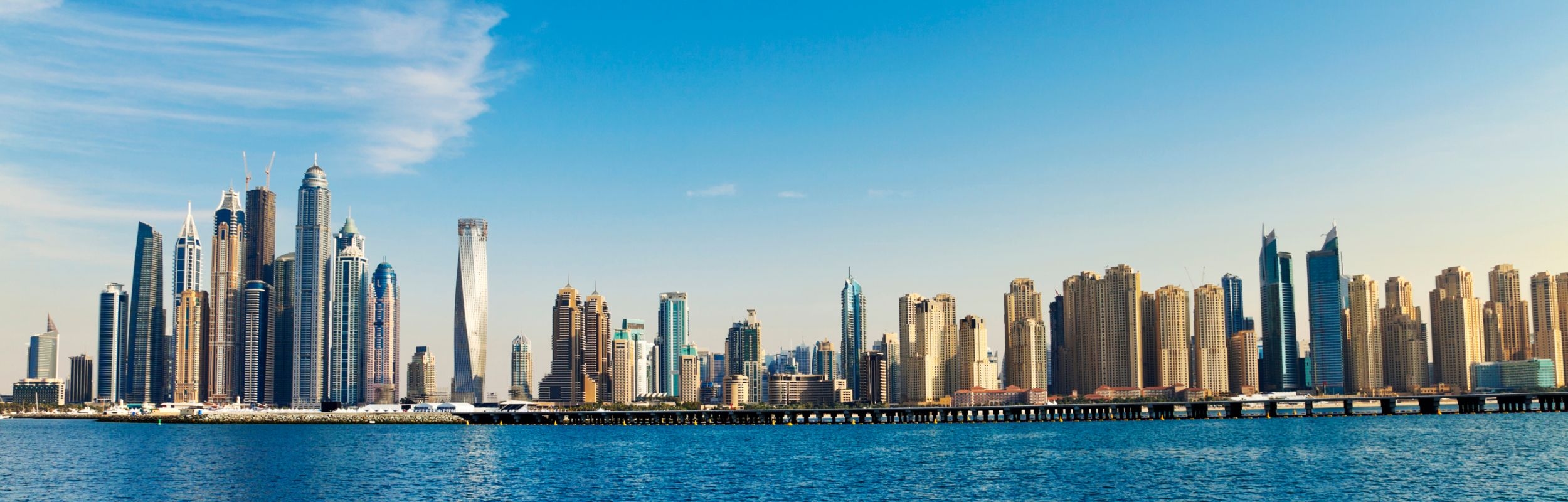
At the same time, waterfront locations such as Dubai Marina, JBR and Bluewaters are likely to maintain high demand thanks to their views, access to the water, lifestyle amenities and the area’s reputation.
What will support the market
Despite the growth in supply, the Dubai market has several factors ensuring stability.
Firstly, the population and the number of long-term residents are growing. Secondly, rental demand remains high, which sustains investor interest. Thirdly, long-term visa programmes make Dubai more attractive to those planning to live in the city not just temporarily, but for years to come.
Furthermore, a significant proportion of buyers today are end-users who are in no hurry to sell their property immediately after purchase. They are buying homes for living, for their families and for long-term planning, rather than simply for quick resale.
What buyers need to bear in mind in 2026
The main mistake is to look only at the overall figures for Dubai as a whole. By 2026, the market will be highly localised. One area may become more flexible in terms of price due to a large number of handover properties, whilst another will remain stable due to limited supply and high demand.
Before buying, it is important to analyse:
how many new properties are being completed in the chosen area;
what type of property is coming onto the market;
whether there is a surplus of similar apartments;
how strong the rental demand is in the location;
how many properties actually come up for resale;
whether there are restrictions on land and new developments in the area.
The new supply of property in Dubai between 2025 and 2027 will indeed influence the market, but not uniformly across the city. In areas with a large number of new apartment developments, buyers may find more choice and more flexible negotiation terms. In villa communities and locations with limited supply, prices are likely to remain more stable.
Therefore, 2026 will not necessarily be a year of sharp price falls. Rather, the market will become more selective: strong areas with limited supply will hold their ground, whilst in locations with a large number of new handover properties, buyers will have more choice.
The main takeaway for buyers is simple: in 2026, it is important to analyse not the entire Dubai market as a whole, but a specific area, a specific type of property and the volume of new supply in that particular location.